
· 6 min read
How Many Games Does a Corporate Event Need?
How to work out how many games your corporate event needs, based on guest numbers, format and hours, and how to lay them out so queues never build up.
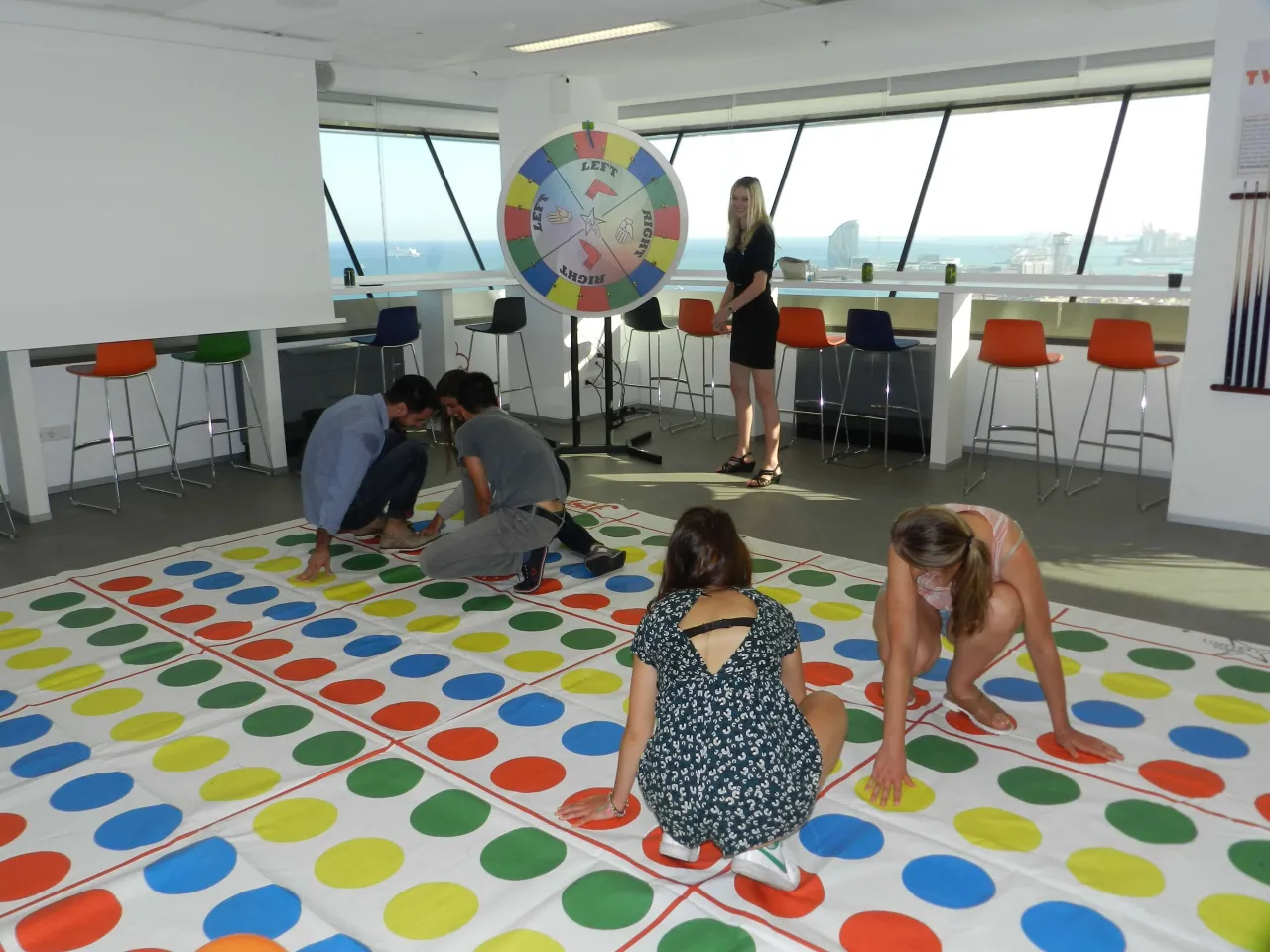
Almost every request for a quote starts the same way: “there will be two hundred of us and we want games”. But the number of guests on its own does not tell you how many games you need. What really counts is how many people can play at once, how long a turn lasts and how many hours of event you have ahead of you.
Here is a simple way to work out how many games a corporate event needs, how to mix fast and slow games, and what to do so queues never build up and empty the games area. These are the rules we apply when we set up trade shows, sales conferences and company parties all over Spain.
Start with the guests who actually play, not the guest list
Out of two hundred people, two hundred never play at the same time. Some are eating, some are talking shop, and some walk over, watch and leave without playing. The figure you need in order to decide how many games to hire is how many people will be standing in front of the machines at the busiest moment, not the total on the list.
The format of the event changes that number a lot. At a standing cocktail the games area is the main plan and fills up all at once; at a seated dinner it gets used in short bursts, before dessert and after the speeches; on a trade show stand visitors arrive in a trickle for hours and what matters is that nobody waits more than two or three minutes. With that in mind, this scale works well as a starting point for a corporate event:
- Up to 50 guests: one or two games. A single well-hosted game is plenty if the event is short.
- 50 to 150 guests: two or three stations, mixing one headline game with a quick-turn one.
- 150 to 400 guests: three or four stations spread out, ideally with one that takes whole groups.
- More than 400 guests: five or more, in two separate areas so the crowd splits by itself.
A station is not just the machine: it is the game, the metre and a half it needs around it, whoever hosts it and the spot where the next player waits. Count the games without counting that space and the layout ends up cramped, with one queue blocking the way into the game next door.
Fast games: a lot of people in very little time
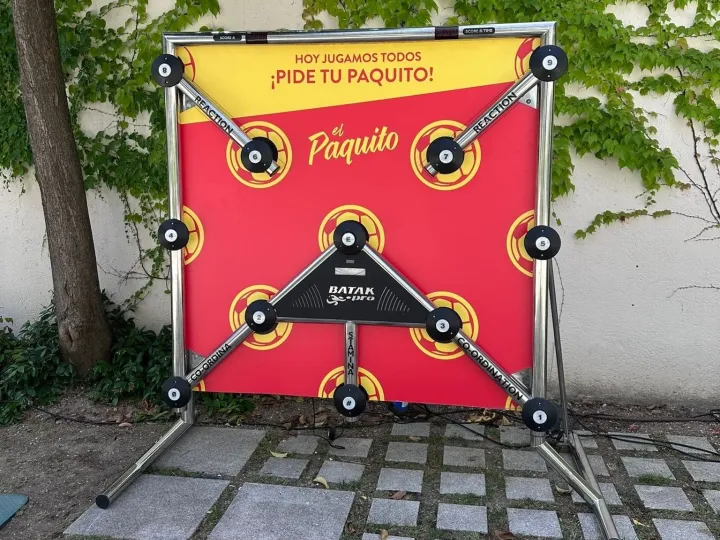
Short-turn games are what keeps a queue moving. Batak Pro is the clearest example: thirty seconds switching off lights by hand, a ranking on screen and the next player already in. A reaction game serves a lot of people per hour without anyone feeling they have been waiting.
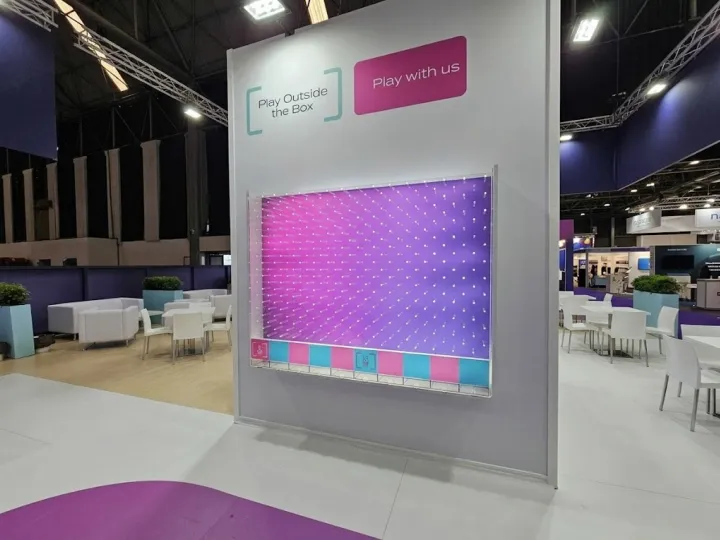
The giant plinko is fast for a different reason: the chip drops down the board on its own and the turn is over in seconds, so the queue moves while everyone watches the chip fall. At a busy event, at least one fast game is a must: it is what stops the area from clogging up when the whole group arrives at once, right after the photo or the speech.
Slow games: fewer players, longer memories

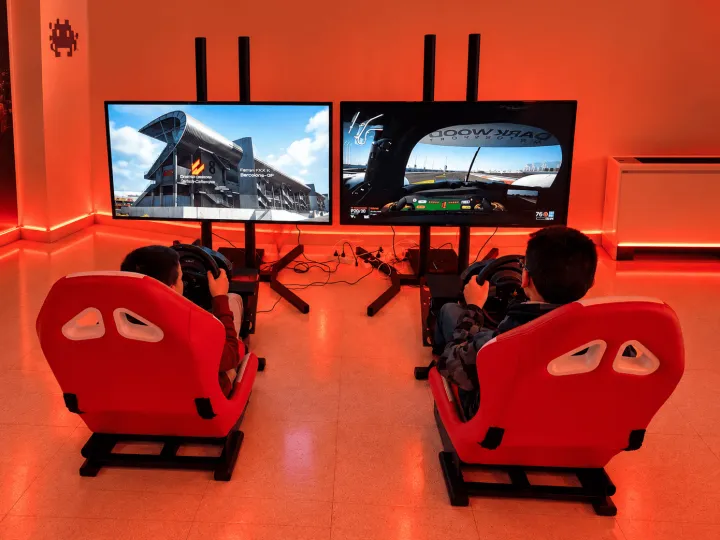
At the other end are the long-turn experiences. A virtual reality stand means fitting the headset, explaining the game and letting the player enjoy it; the car racing simulator needs a warm-up lap before a fast lap means anything. These are the games people remember and film the most, but each turn takes several minutes and only one person plays.
That is why a slow game should not be the only one at a large event: with three hundred guests and a single stand, most people just watch. There are two fixes: double up the stand when the headcount calls for it, and add a screen so whoever is waiting takes part from outside. One slow game combined with two fast ones beats three slow games in a row.
Games that absorb whole groups

There is a third family that solves the problem at the root: games where many people play at the same time. A casino for events with several baize tables, professional croupiers and chips with no cash value keeps dozens of people seated and just as many standing around following the hand, with no turns and no queues.
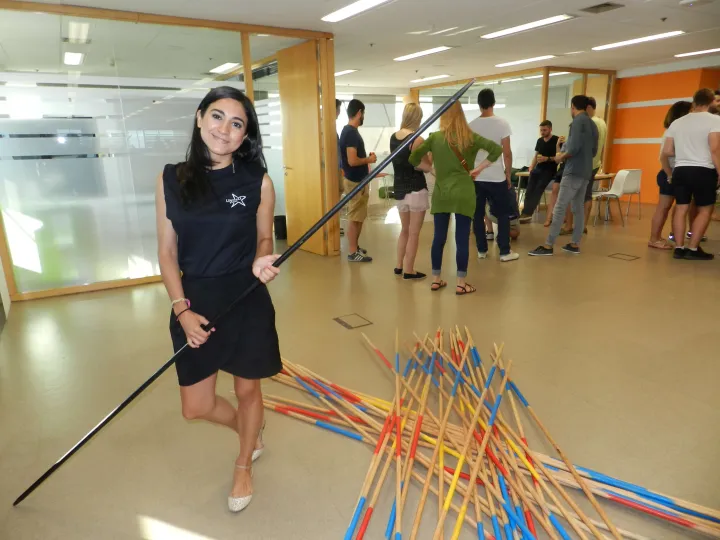
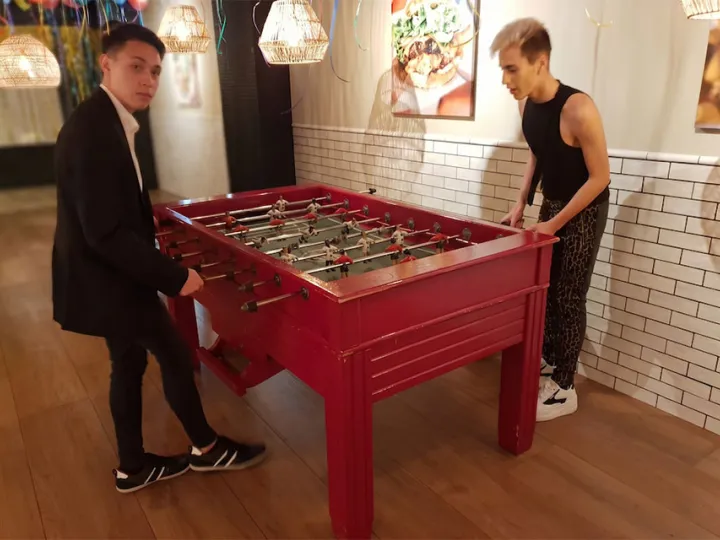
Along the same lines, giant games put fourteen classic board games at large scale around the room; mini golf is modular and is laid out as a course of separate holes that people rotate through; and table football includes a giant version that takes sixteen players on one table. With one of these stations on the floor plan, every other game can breathe.

How to lay the games out so queues never build up
Once the games are chosen, the floor plan is what decides whether there are queues. The usual mistake is to put everything eye-catching in one corner: a bottleneck forms at the entrance to the area and the far end of the room stays empty all night. Spread the games along the route and leave the most spectacular one at the end, so people walk past the rest to reach it.
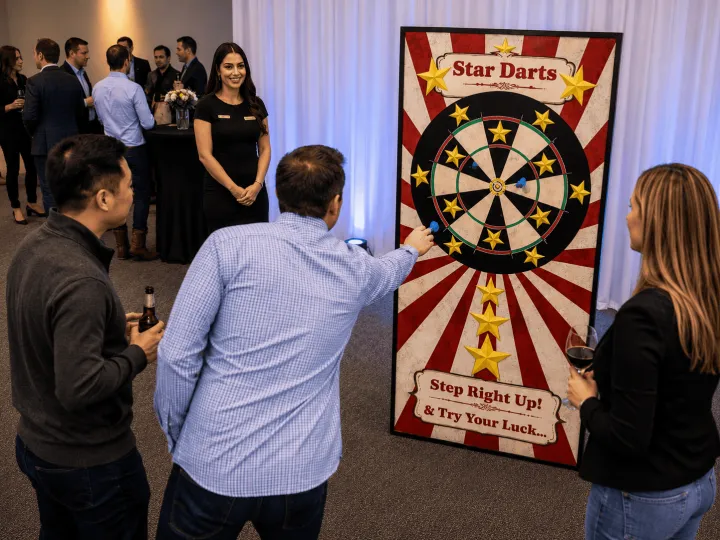
Multiplying small stations also works very well. Mini fairground games are 190 × 70 cm booths that arrive assembled and need no power and no staff, so you can add as many as will fit and each one takes its share of the crowd. Four rules prevent almost every queue at a corporate event:
- Never put two slow games side by side: always alternate with a short-turn one.
- Leave a walkway between one game’s queue and the playing space of the next.
- Put someone to host and call the turns on the games with the most demand.
- Use a scoreboard or a leaderboard for the day: waiting makes sense if the score counts for something.
Brand every station
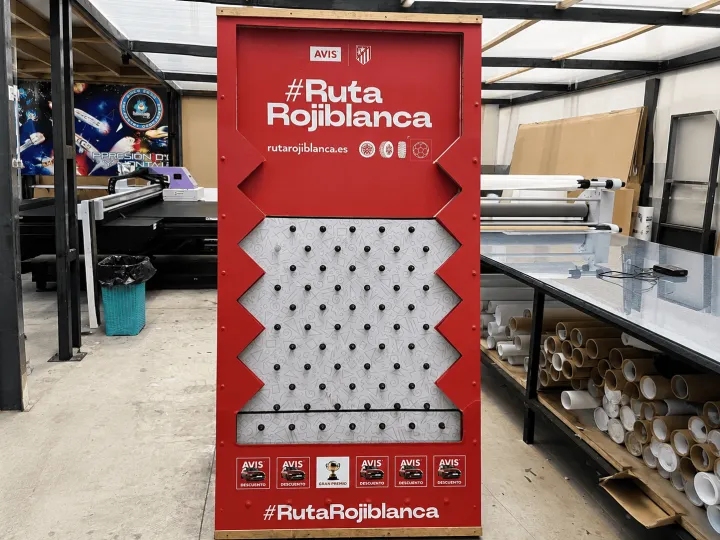
If you are setting up three or four stations, it pays for them to look like parts of one campaign rather than machines hired at random. Every game can be branded with your identity: vinyl on the cabinet, your graphics on the screens, the prizes, the uniforms of the staff and data capture before playing. Branding is what turns a game into a brand activation.
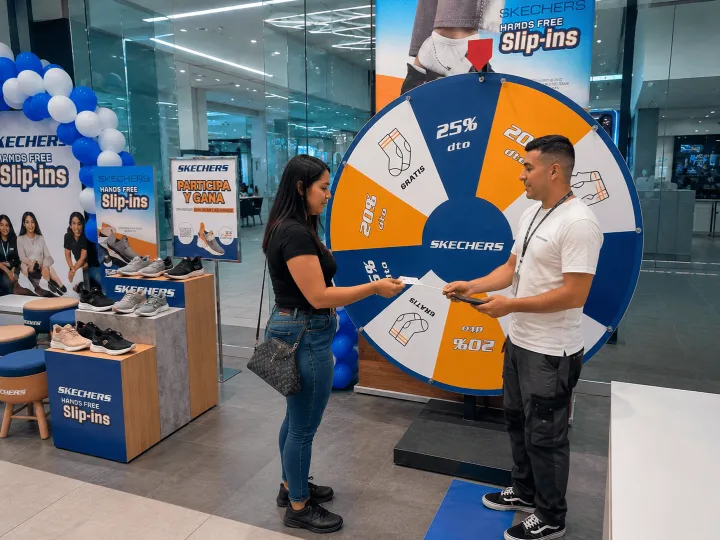
Promotional prize wheels are the most direct case: 180 or 120 cm across, with your logo and the prizes you choose in each segment. Artwork has to be signed off with time to spare, because printing and applying the vinyl takes days; leave it to the week of the event and the games turn up plain grey. Branding several stations at once also saves production time, since everything is prepared in the same run.
Frequently asked questions
How many games do I need for 100 guests?
Two or three stations, mixing a short-turn game with a more spectacular one. If the event runs for more than four hours, make it three.
How long does a turn last?
From thirty seconds on the reaction games to several minutes on a simulator or a virtual reality experience. At the casino and on the giant games there are no turns at all: people join and leave whenever they like.
Does every game need staff?
No. The casino needs croupiers and virtual reality needs someone on the stand, but plenty of games run on their own once they are set up. The quote always states which ones include staff and which do not.
How much does it cost to set up several stations?
It depends on the games chosen, the hours of service, the staff, the transport and the branding. We look at it with your floor plan and send it to you in writing.
How far ahead should I book?
As early as you can, especially in high season: in autumn and in December the most requested games are gone weeks in advance.
Tell us how many guests you expect, how many hours the event runs and what the room is like, and we will suggest the combination of games that fits best and how many stations you really need. Get in touch and we will put the quote together, with setup and branding included.
Games in this article
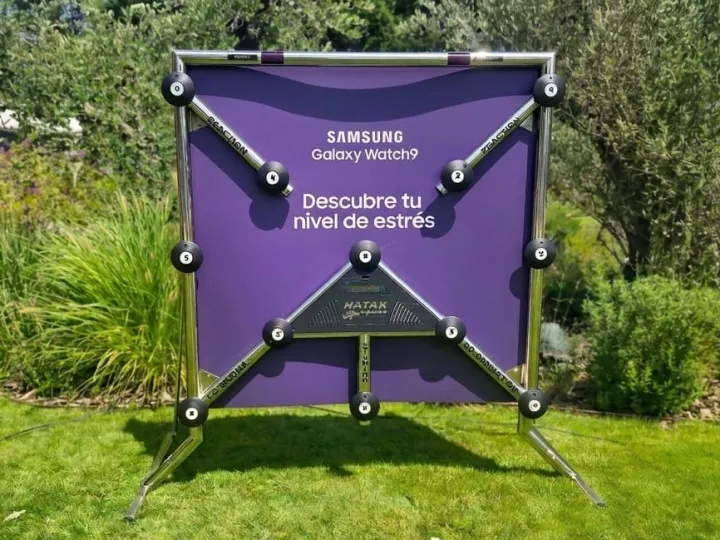
Batak Pro
Hire the most requested reflex game for trade shows and conferences
- Space 2.3 × 1 m
- Power 220 V
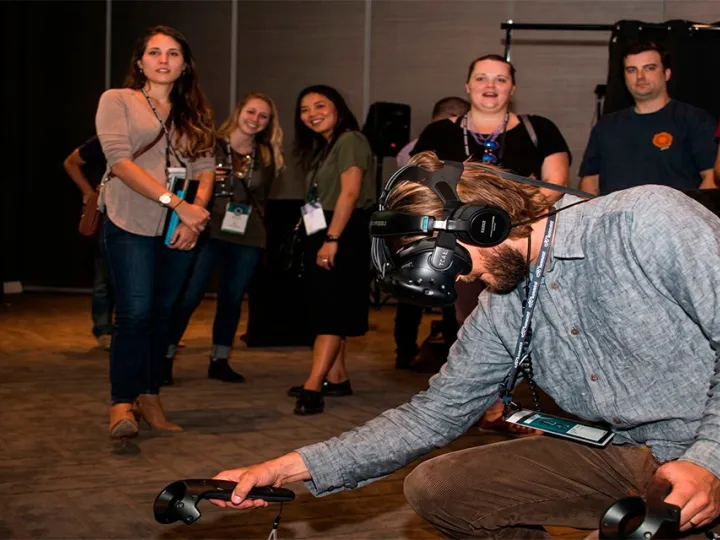
Virtual reality for events
Latest-generation headsets and experiences tailored to your brand
- Space 3 × 3 m
- Power 220 V · 500 W
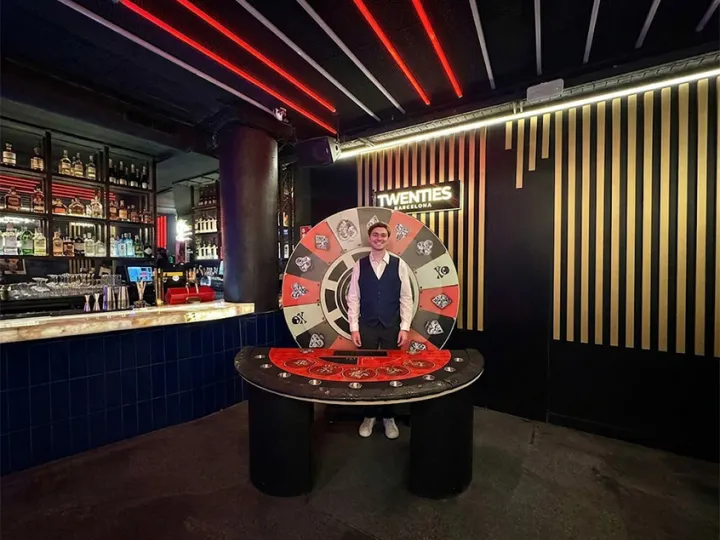
Casino for events
Professional roulette, blackjack, poker and craps tables with croupiers
7 models
- Space 2 × 3 m per table
- Power Not needed · optional LED
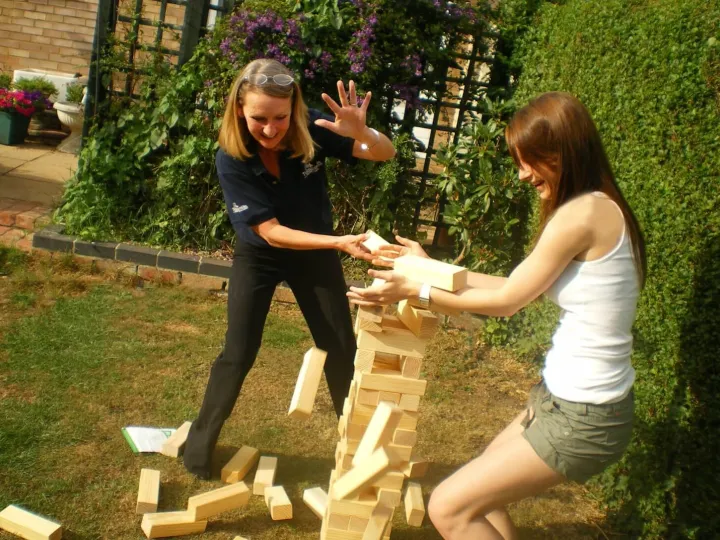
Giant games
Chess, snakes and ladders, ludo, Jenga, Connect 4 and more, XXL size
14 models
- Space 2 × 2 m – 6 × 6 m
- Power Not needed
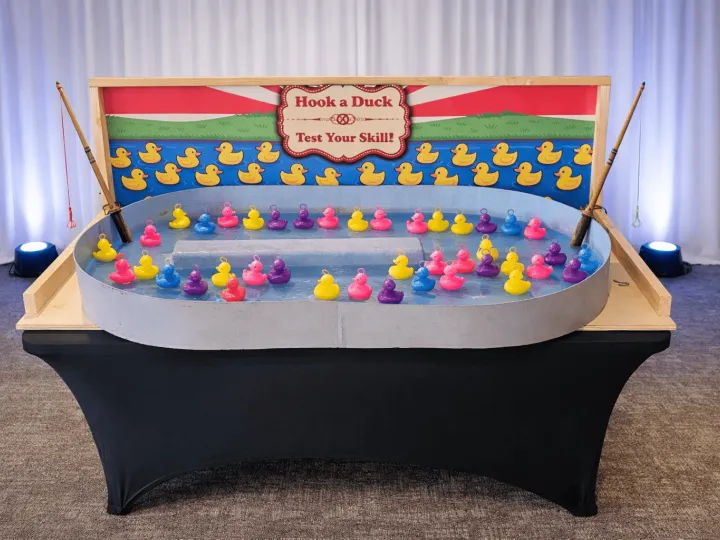
Mini fairground games
Compact vintage-style stalls, ready in twenty minutes
- Space 2 × 2 m per game
- Power Not needed
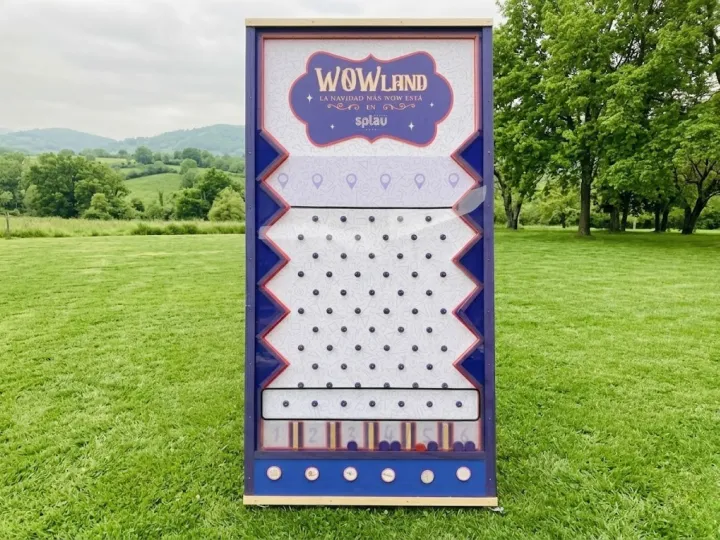
Giant plinko
Drop the disc and watch where it lands — the most hypnotic prize game
- Space 2.5 × 1.5 m
- Power 220 V · 30-60 W
Organising a trade show or conference?
We will suggest the games that best suit your stand and audience.
Request a quote